One of the most common decisions homeowners face during a bathroom remodel is whether to go with a walk-in shower or a traditional bathtub. Both have real advantages, and the right choice depends on your household, your space, and how you actually use your bathroom.
Here is an honest comparison of both options to help you decide.
The Case for Walk-In Showers
Walk-in showers have surged in popularity over the past decade, and for good reason. They offer a clean, open look that makes a bathroom feel larger. A frameless glass enclosure with well-chosen tile creates a spa-like feel that is hard to achieve with a tub-shower combo.
From a practical standpoint, walk-in showers are easier to get in and out of - especially curbless designs with no threshold to step over. They are simpler to clean (no tub ring to scrub), and they tend to work better in smaller bathrooms where floor space is limited.
- Opens up floor space and makes the bathroom feel larger
- Easier to clean and maintain than a tub
- More accessible for all ages and mobility levels
- Offers more design flexibility with tile, glass, and fixture options
- Faster to use for daily showers
The Case for Traditional Tubs
Bathtubs still have their place, and for some households they are the better choice. If you have young children, bath time is a daily routine that a shower cannot easily replace. Soaking tubs are also genuinely therapeutic for people with sore muscles, joint pain, or who simply enjoy a long hot bath as part of their self-care routine.
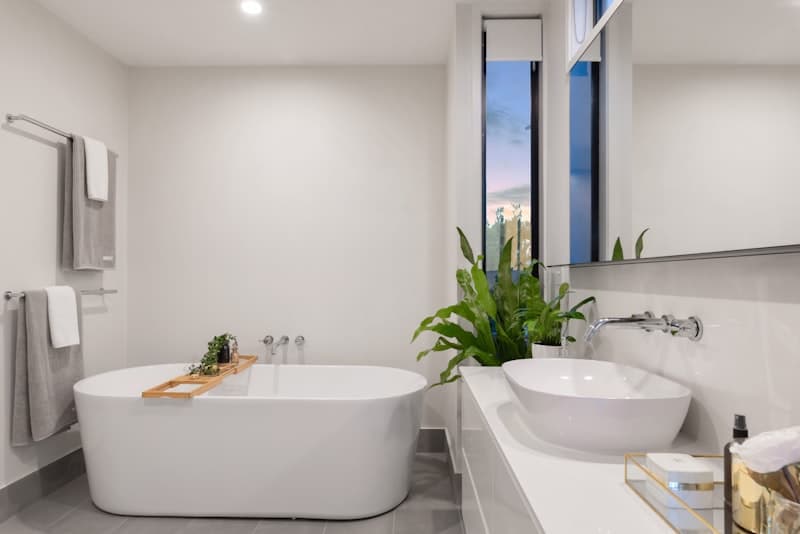
From a resale perspective, having at least one bathtub in the home is still important. Homes without any bathtub can be harder to sell, particularly to families with small children. A freestanding tub in a master bathroom can actually be a design centerpiece that adds value and visual appeal.
- Essential for bathing young children
- Therapeutic soaking for sore muscles and relaxation
- Important for resale value (at least one tub in the home)
- Freestanding tubs serve as design focal points
- Versatile - can pair with a shower above in a combo setup
Space Considerations
A standard bathtub takes up a 5-foot by 30-inch footprint. A walk-in shower can be built in that same footprint, or it can be expanded if space allows. In smaller bathrooms (typically under 50 square feet), a walk-in shower almost always makes better use of the available space. In larger master bathrooms, you may have room for both - a freestanding tub and a separate walk-in shower.
Resale Value
The general rule of thumb is to keep at least one bathtub in the house and convert additional tub locations to showers. If your home has two full bathrooms, converting the master tub to a walk-in shower while keeping the hall bathroom tub gives you the best of both worlds. Walk-in showers are highly desirable in the current real estate market, and a well-built one can be a selling point.
The Hybrid Approach
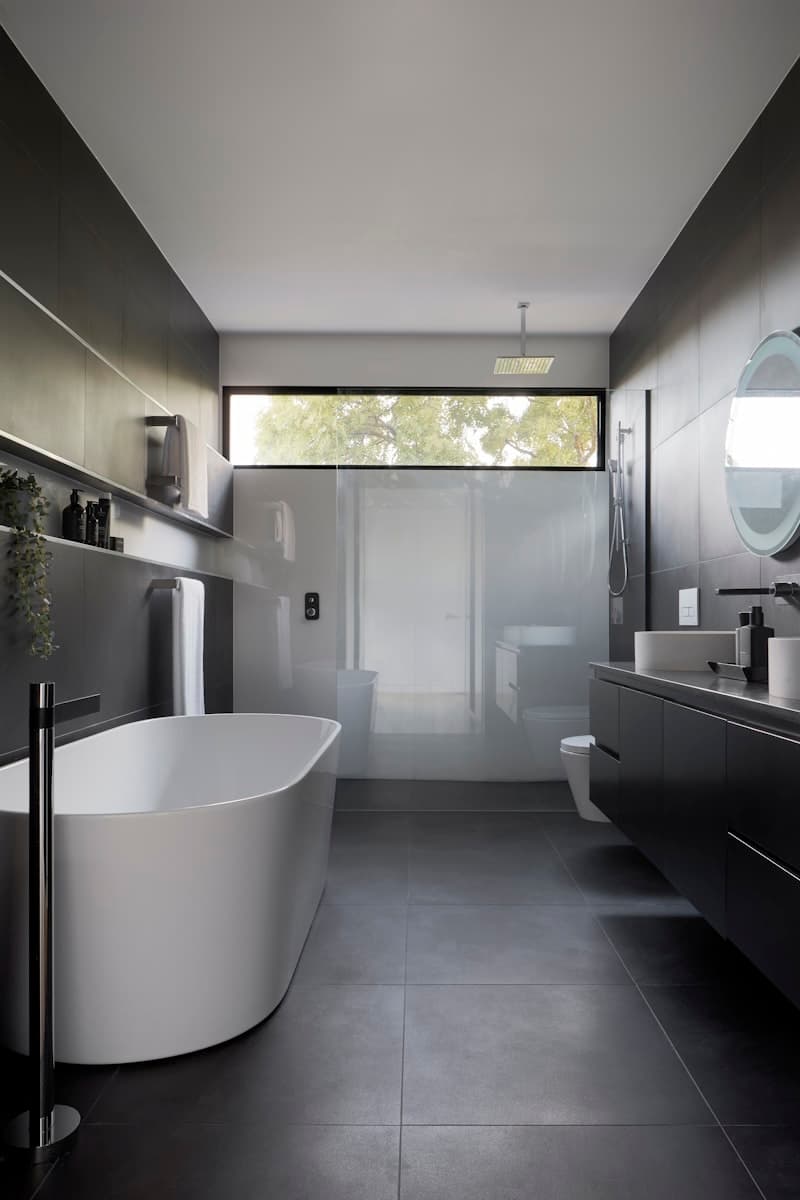
If you have a larger master bathroom, consider a separate freestanding tub and walk-in shower. This is the most sought-after configuration in higher-end homes and gives you maximum flexibility. The tub becomes a design feature while the shower handles the daily routine. It is an investment, but one that pays dividends in both daily enjoyment and home value.
Making Your Decision
Think honestly about how you use your bathroom day to day. If you take baths regularly, keep a tub. If your tub has been dry for months and you are stepping over it every day to shower, a walk-in shower is probably the right call. And if you are not sure, a contractor can show you what is possible in your specific space and help you weigh the options.